
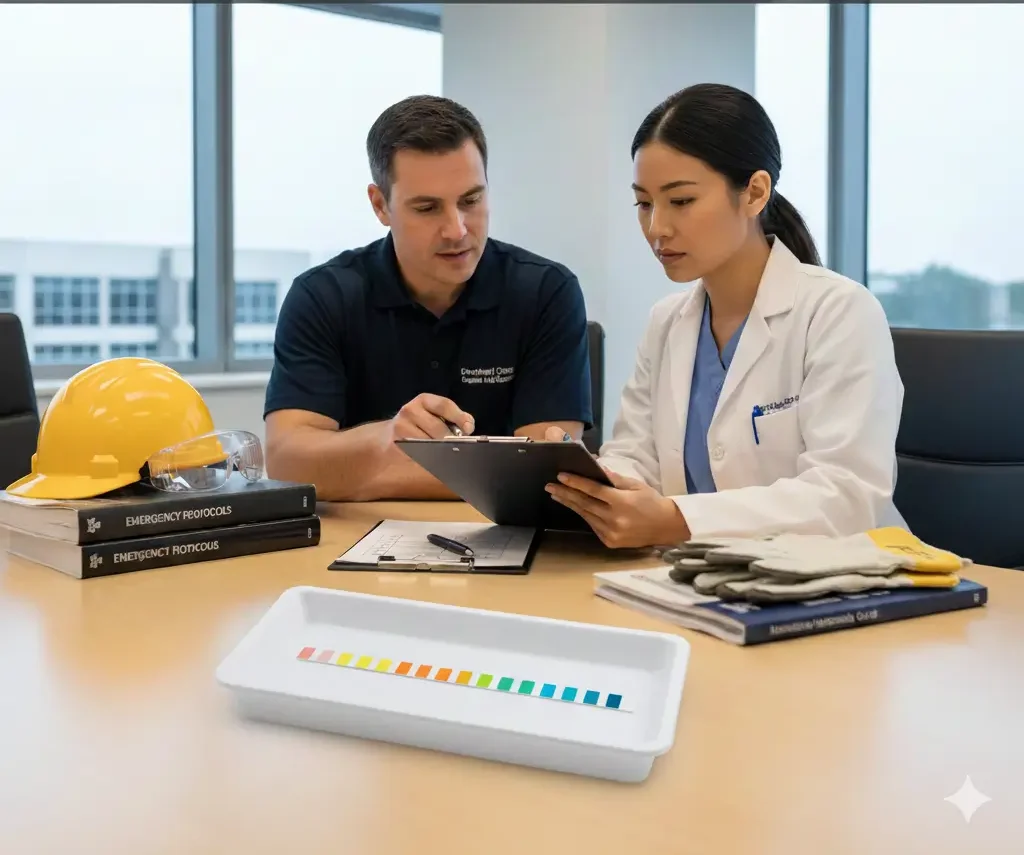
A: The 10 strip urine test indicators reveal substance-related impairment risks that can compromise clinical environments, manufacturing floors, caregiving settings, and compliance-driven workplaces, helping organisations strengthen safety standards, duty-of-care obligations, and operational wellbeing.
A: A strip urine test provides fast detection of key biomarkers and drug presence through multi-panel analysis, enabling healthcare teams, safety officers, and HR units to make informed decisions that mitigate workplace hazards and protect personnel.
A: Readers should evaluate their current safety protocols, adopt reliable multi-panel screening tools, and integrate structured testing procedures to enhance compliance, reduce incident rates, and support safer workforce management aligned with organisational responsibilities.
The strip urine test has become an essential screening tool for organisations that prioritise workplace safety, clinical reliability, and duty-of-care responsibilities across diverse environments.
In healthcare institutions and private practices, maintaining a safe and controlled clinical setting depends on identifying impairment risks that could compromise patient handling, medication administration, or sterile procedures.
Corporate entities and factories face parallel challenges, where machinery operation, hazardous material exposure, and production line continuity can be jeopardised by unnoticed substance influence.
Caregivers and individuals supporting vulnerable dependents rely on accurate and accessible testing methods to ensure wellbeing, behavioural monitoring, and early intervention.
Safety and Health Officers, positioned as compliance gatekeepers within organisations, require dependable screening mechanisms that align with internal safety policies, incident reporting frameworks, and regulatory expectations.
As multi-panel screening becomes more common across occupational sectors, understanding how these indicators function offers measurable value.
The test’s ability to highlight signs of substance exposure or physiological imbalance provides insight into fitness-for-duty assessments, post-incident reviews, and ongoing monitoring programmes.
Beyond detection, the use of a structured strip urine test also supports risk reduction initiatives, insurance alignment, human resource governance, and operational continuity planning.
The growing emphasis on preventive safety culture has positioned this testing method as a practical, scalable, and evidence-based approach for environments where safety outcomes are tied directly to human reliability.
For organisations committed to safer working conditions, reliable medical supplies, and structured safety procedures, recognising how these ten indicators shape decision-making is key.
This article explores how they function, how they relate to real industry scenarios, and how organisations can incorporate them into comprehensive safety strategies supported by proper equipment, training, and informed evaluation practices.
A strip urine test provides rapid screening insights into potential impairment risks that could affect clinical care, machinery operation, caregiving duties, and organisational safety compliance across multiple workplace environments with varying hazard levels.
A strip urine test functions as a diagnostic screening tool that detects biochemical markers and drug-related substances to help organisations assess employee fitness, safety readiness, and suitability for sensitive operational tasks.
Undetected substance exposure can lead to medication errors, equipment mishandling, industrial injury, and reduced alertness, making reliable screening essential for risk-sensitive sectors with high safety compliance obligations.
Healthcare facilities, manufacturing plants, logistics hubs, laboratories, and caregiving environments benefit greatly from routine screening due to their elevated exposure risks and duty-of-care responsibilities.
These indicators identify chemical, metabolic, and drug-related changes that may influence cognitive judgment, reaction time, balance, attention span, and operational safety standards required across clinical and industrial settings.
Key indicators reveal whether a worker may be impaired, fatigued, or chemically influenced, helping organisations prevent incidents and maintain regulatory and ethical safety benchmarks.
Workplace safety programmes often integrate screening to comply with hazard management guidelines and internal safety audit frameworks, reducing liability and operational disruption.
Indicators assist in documentation processes required for safety observations, HR files, incident investigations, and post-exposure response pathways.
Selecting a multi-panel screening solution requires evaluating detection scope, accuracy, ease of interpretation, and suitability for different organisational environments with diverse risk exposure levels.
Choosing the correct panel count ensures relevant detection based on organisational risk types, job function responsibilities, and exposure control strategies aligned with duty-of-care policies.
Higher sensitivity ensures more reliable detection, helping screening officers identify risks early and avoid false security assumptions.
Procurement choices should align with safety standards, traceability requirements, and health-related compliance expectations.
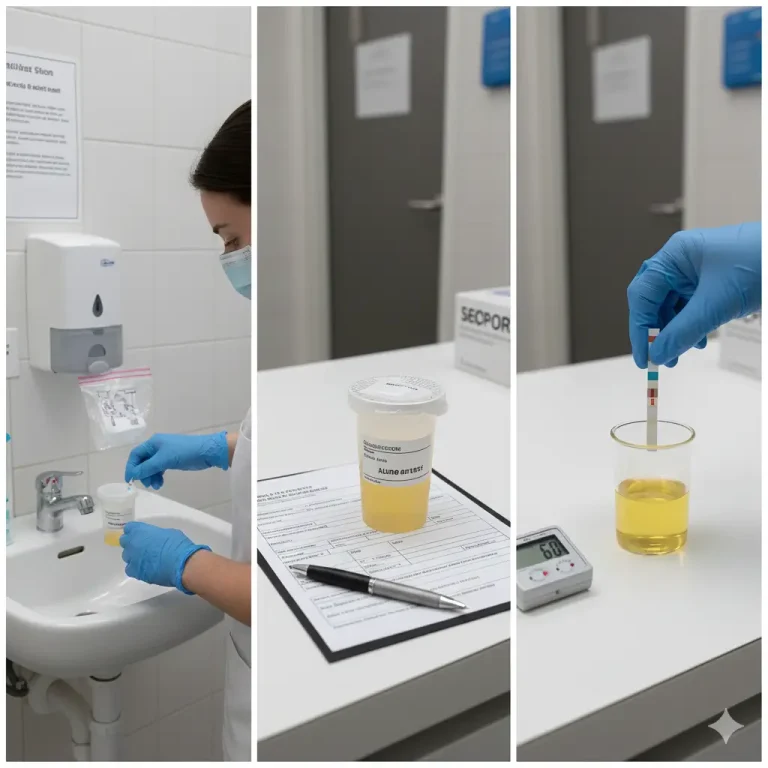
Proper collection practices prevent contamination, ensure accuracy, and support structured safety protocols that maintain test integrity and employee trust.
Collection must follow privacy, hygiene, and documentation guidelines to ensure validity and workplace acceptance.
Controlled environments reduce tampering risks and ensure reliable screening outcomes.
Clear documentation strengthens compliance and reinforces employee accountability.
Accuracy requires adherence to handling guidelines, quality assurance checks, and standardised testing procedures that prevent misleading or inconclusive results.
Temperature, humidity, and exposure to light can affect chemical pads, making controlled environments essential.
Expired materials compromise integrity, reinforcing the need for strong inventory management practices.
Trained personnel ensure reliable administration and interpretation across shifts and operational zones.
Interpreting results involves differentiating between acceptable readings and warning indicators that require escalation, intervention, or further testing pathways.
Clear thresholds help determine whether a result indicates potential impairment or non-critical physiological variance.
Confirmatory processes reduce misinterpretation risk and prevent unjustified disciplinary action.
Structured escalation improves response consistency and protects organisational accountability.
Routine testing reinforces proactive safety culture, reduces injury probability, and supports internal compliance reporting frameworks valued by auditors and insurers.
Testing reduces preventable accidents and enhances oversight.
Screening supports audit scoring and accreditation readiness.
Strong prevention initiatives protect all site occupants and reduce operational downtime.
Deployment timing affects screening effectiveness, compliance value, and hazard mitigation outcomes across organisational risk environments.
Pre-screening ensures workforce readiness.
Triggered testing supports investigations and corrective action.
Randomisation strengthens deterrence and fairness.
Essential features ensure accurate screening, employee confidence, and consistent enforcement of workplace safety standards.
Broader panel options enhance oversight and align with varied risk environments.
Clear result windows prevent misinterpretation and testing delays.
Integration supports safety roles, HR policies, and certification pathways.

Cost savings arise from reduced incidents, fewer stoppages, enhanced safety compliance, and lower insurance exposure across safety-critical workplaces.
Incident prevention saves organisations significantly more than the cost of testing implementation.
Reduced impairment leads to stronger attendance patterns.
Screening remains more cost-effective than lab-based alternatives for ongoing programs.
A structured screening approach using strip urine test indicators helps organisations strengthen workplace safety, protect operational integrity, and support responsible workforce management.
By understanding detection relevance, interpretation pathways, and deployment strategies, healthcare facilities, factories, caregivers, and safety officers can reinforce compliance, minimise risk, and uphold safer working environments without disrupting workflow efficiency or staff confidence.
Organisations committed to improved safety performance, reliable screening outcomes, and responsible workforce oversight should integrate high-quality testing tools and clear implementation procedures.
To support safer workplaces, enhance compliance alignment, and ensure dependable screening accuracy, explore the practical advantages of using a dependable multi-panel solution such as the Dipcard Multi-Panel Drugs of Abuse Test, available here: Dipcard Multi-Panel Drugs of Abuse Test.
Implementing the right equipment strengthens prevention strategies and promotes a proactive safety culture that benefits employees, managers, and operational outcomes.
Industries such as healthcare, manufacturing, logistics, laboratory environments, and caregiving services benefit due to higher exposure risks, safety-critical responsibilities, and strong duty-of-care expectations linked to workplace safety compliance.
Screening frequency depends on workplace risk level, regulatory expectations, incident history, and workforce policies, with many organisations using pre-employment, post-incident, and randomised intervals to maintain safety consistency.
Yes, non-clinical workplaces can interpret screening outcomes when using clear documentation, calibrated reading guidance, and escalation pathways, ensuring decisions remain accurate, fair, and operationally aligned.
Escalation may include repeat testing, supervised assessment, occupational health consultation, or risk-mitigation measures, depending on internal protocols, legal requirements, and safety officer recommendations.
A strip urine test strengthens documentation readiness, safety audit scoring, hazard prevention systems, and workplace reliability benchmarks by delivering structured screening insights that reinforce organisational compliance and employee wellbeing.