
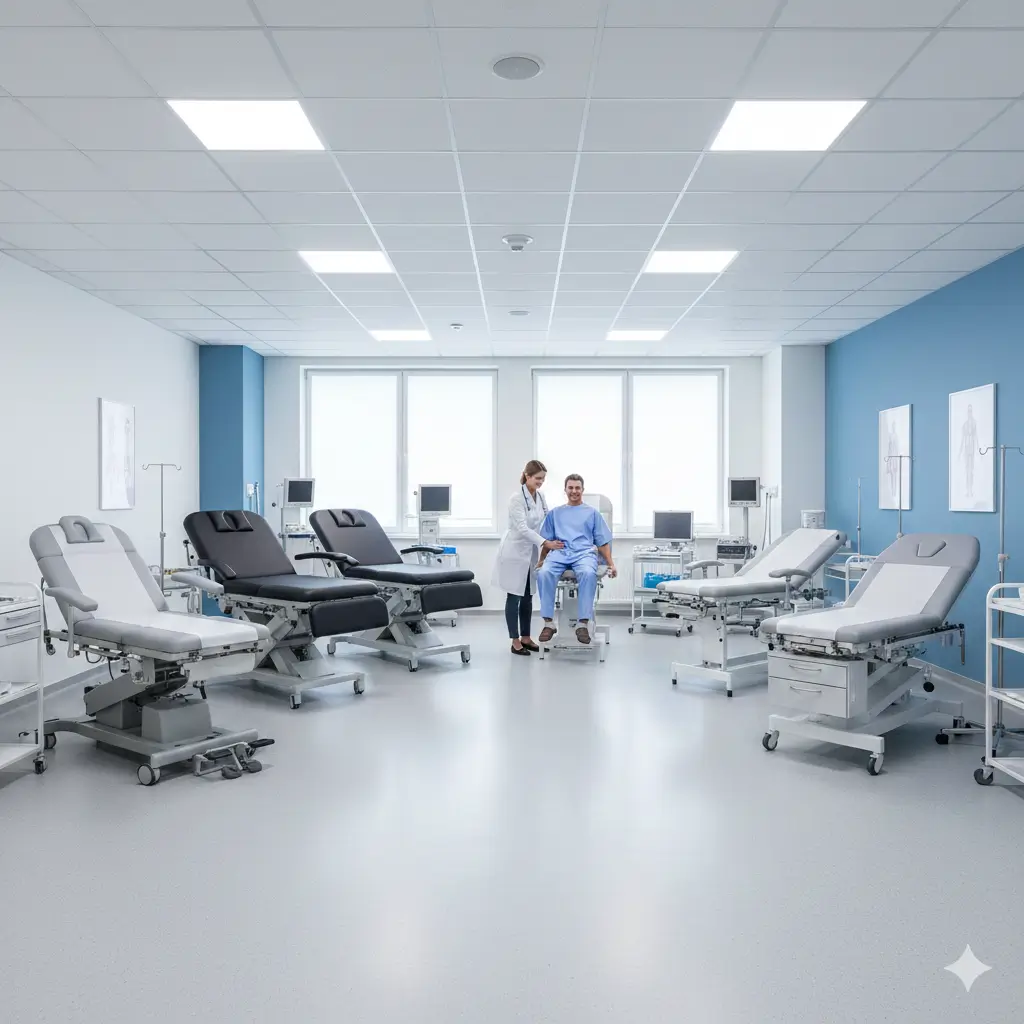
A: The 10 types of medical examination couch represent varying configurations that influence patient comfort, safety, positioning and compliance, making correct selection essential for healthcare institutions, private practices, corporate clinics and safety-health environments.
A: Choosing the correct medical examination couch improves ergonomic handling, examination accuracy, assisted mobility, infection-control protocols and operational efficiency across diverse medical settings including outpatient clinics, workplace sickbays and caregiver-led environments.
A: Decision-makers should compare structural features, adjustability levels, hygiene performance, durability and compliance suitability to identify the most supportive medical examination couch for their clinical purpose and future-ready patient-care requirements.
The medical examination couch plays a critical role in patient handling, assessment accuracy, workplace safety and clinical professionalism across healthcare institutions, private practices, corporate medical rooms, caregiver environments and safety-health officer settings.
Selecting the appropriate configuration affects patient dignity, mobility assistance, ergonomic positioning, examination stability and compliance with hygiene expectations in Malaysia’s expanding medical and occupational-health landscape.
Facilities today must evaluate examination couches not only as furniture, but as essential clinical infrastructure connected to risk management, regulatory readiness, staff efficiency and patient support outcomes.
Healthcare providers require reliable equipment that enables smooth patient transfers, proper spinal alignment, safe positioning and comfortable examination experience, especially for elderly individuals, injured workers, chronically ill patients and individuals with limited mobility.
Corporate entities and factories increasingly incorporate onsite sickbays and first-aid facilities, making equipment choice relevant to HR policies, OSHA-aligned safety planning and employee wellness monitoring.
Caregivers supporting home-based recovery, disability care or long-term assistance also depend on user-friendly examination surfaces that enhance confidence, reduce handling strain and maintain sanitation.
Safety and Health Officers must ensure that examination couches meet practical standards for durability, infection-control suitability, ease of cleaning, cushioning integrity, load capacity and risk-prevention considerations.
With growing focus on emergency readiness, preventive healthcare and structured workplace medical response, the decision around which examination couch type best supports clinical requirements demands clarity, comparison and informed evaluation.
This article explains ten different types of examination couches, highlights how each affects patient support, and guides decision-makers toward selecting the most clinically beneficial option for their operational setting.
Clinical environments use several types of medical examination couch that differ in structure, adjustability, mobility and clinical purpose, influencing patient stability, assessment accuracy, caregiver ergonomics and operational suitability across varied healthcare and workplace medical settings.
A standard fixed-frame medical examination couch provides a stable flat platform suited for routine consultations, general examinations and basic clinical assessments where minimal positioning or height variation is needed for patient comfort and practitioner efficiency.
Adjustable back-rest models allow clinicians to elevate patient positioning to support respiratory comfort, abdominal palpation, cardiovascular observation and therapeutic communication, improving assessment quality in outpatient clinics and primary healthcare environments.
Hydraulic and electric couches offer powered height and tilt adjustments that reduce manual lifting strain, enhance safe transfers and support mobility-restricted patients, improving workflow and examination confidence for practitioners and clinical staff.
Bariatric-support couches feature reinforced frames, increased width and higher load capacity, providing safety, dignity and examination stability for heavier patients in hospital, occupational-health and injury-management settings.
Portable and foldable models support mobile clinics, event standby teams and home-based caregiving, offering rapid setup, compact storage and examination flexibility where permanent treatment rooms are unavailable or space restricted.
Choosing the right type of medical examination couch impacts patient positioning, assessment accuracy, psychological confidence, fall-risk prevention and clinical safety outcomes across diverse medical, industrial and caregiver-supported environments.
Proper alignment on a medical examination couch reduces musculoskeletal strain and improves examination outcomes, especially for elderly individuals or patients recovering from workplace injury or chronic mobility limitations.
Stability reduces motion, prevents imbalance and enhances diagnostic precision, ensuring safe patient handling during clinical procedures, triage assessments and company medical checks.
Supportive upholstery, smooth elevation and non-threatening positioning foster trust, reduce anxiety and enhance perception of care quality during clinical evaluation.
Workflow alignment ensures that the medical examination couch integrates with procedure timing, room circulation, staff handling practices and overall patient throughput in clinics, workplace medical rooms and home-care assistance environments.
Different procedures require varying couch characteristics such as tilt control, back-rest elevation and stability, influencing clinical flow and diagnostic efficiency.
Ergonomic couch features reduce physical strain and improve patient transfer performance for nurses, physiotherapists and first-aid responders supporting workplace incidents.
Room size, doorway access and equipment placement determine the suitability of couch dimensions, especially in facilities referencing Examination Tables for Clinic selection considerations.
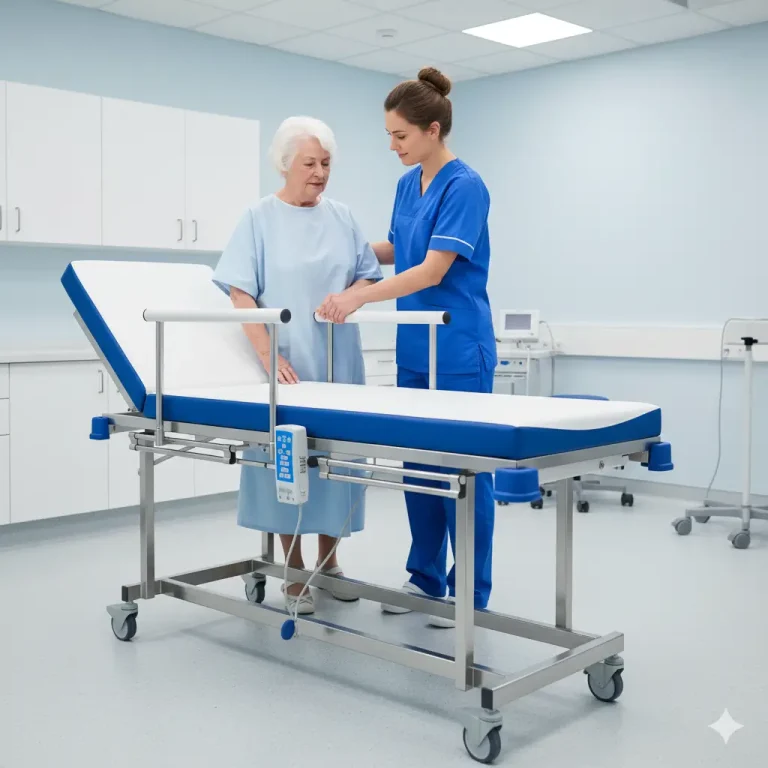
A medical examination couch with ergonomic features supports safer mounting, reduces manual handling injuries and improves clinical experience for patients with restricted movement during assessments.
Side rails, supportive height and transfer-assist features enable safer movement for individuals requiring rehabilitation, neurological recovery or elderly-care support.
Height adjustability minimises bending and lifting, protecting healthcare workers from chronic strain and improving procedure comfort.
Non-slip surfaces, supportive cushioning and controlled elevation enhance safety for vulnerable mobility-restricted individuals.
Different types of medical examination couch incorporate varied adjustment mechanisms influencing positioning accuracy, procedure suitability and clinician accessibility during treatment.
Multi-section configurations support head, torso and leg positioning to improve examination versatility across medical procedures.
Anti-microbial fabrics, sealed seams and supportive foam enhance hygiene suitability and comfort for extended evaluations.
Load ratings ensure safe use for bariatric-care, industrial wellness reviews and occupational health evaluations.
An appropriate medical examination couch supports infection control with seamless upholstery, disinfectant-compatible surfaces and compliant hygiene construction aligned with sanitation procedures.
Sealed surfaces prevent absorption and reduce contamination during clinical and industrial medical checks.
Hygiene suitability aligns with sanitation frameworks, safety audits and organisational wellness requirements.
Smooth cleaning processes improve safety for recurring examinations and shared-environment assessments.
Strategic placement influences patient flow, privacy, triage readiness and operational effectiveness across healthcare, workplace medical and emergency response settings.
Consultation rooms benefit from adjustable couches that support routine assessments and communication comfort.
Workplace medical spaces integrate examination couches into employee wellness and incident evaluation, forming part of a responsive sickbay readiness environment.
Rapid-access couches support urgent evaluations and stabilisation procedures.
High-volume settings require durable, fast-cleaning examination surfaces, while specialist practices benefit from enhanced adjustability and targeted ergonomic capabilities.
Busy clinics need resilient upholstery and dependable structural longevity.
Precision positioning enhances accuracy for focused medical evaluations.
Specialty attachments support advanced examination functions.
Evaluation criteria include frame strength, hinge reinforcement, upholstery lifespan, maintenance expectations and operational durability under daily use.
Reinforced steel frames provide stability for industrial, outpatient and occupational-health environments.
Warranty coverage reflects confidence in longevity and product reliability.
Durable construction ensures consistent support and reduced replacement frequency.
Specialised medical examination couch designs accommodate paediatric comfort, physiotherapy positioning, occupational monitoring and specific procedural requirements.
Scaled dimensions and softer materials enhance comfort for children.
Enhanced adjustability supports muscular assessment and therapeutic positioning.
Corporate facilities align couch selection with employee wellness planning.
Upgrade timing aligns with structural wear, increased patient volume, new compliance expectations and enhanced patient-care goals.
Surface cracking, cushion compression and frame looseness indicate replacement need.
Higher usage demands improved efficiency and support capability.
Updated requirements encourage advanced feature adoption.
Procurement decisions consider specification comparison, practicality, risk prevention and supplier reliability within organisational healthcare settings.
Approval processes ensure safety, compliance and financial alignment.
Long-term value balances performance and expenditure.
Trusted vendors provide consistent availability and support.
Electric and hydraulic models provide powered control, improved positioning accuracy and enhanced user experience for clinicians and patients.
Powered adjustment reduces musculoskeletal burden for staff.
Precision control enhances diagnostic performance.
Powered support conveys advanced care quality.
Height-adjustable examination couches improve accessibility, reduce fall risk and support comfortable examinations for mobility-challenged individuals.
Lowered entry height improves mounting ease for elderly patients.
Supportive placement reduces slip and instability.
Reduced lifting strain benefits caregivers.
Portable models support flexible deployment where permanent clinical rooms are unavailable or temporary care is required.
Mobile couches assist ongoing community healthcare services.
Rapid assembly supports temporary treatment readiness.
Compact models benefit limited spaces and travel use.
Workplace contexts require durable, compliant and rapid-response examination couches supporting first-aid, monitoring and recovery assessment.
Selection aligns with workplace health standards and reporting expectations.
Immediate assessment capacity aids incident handling.
Workplace medical reviews depend on accessible support surfaces.
Premium models improve comfort, streamline workflow, enhance professional image and build trust with patients and employees in healthcare and industrial environments.
Efficient controls minimise waiting and repositioning time.
Premium equipment elevates perceived care quality.
Positive patient experiences promote continued engagement.
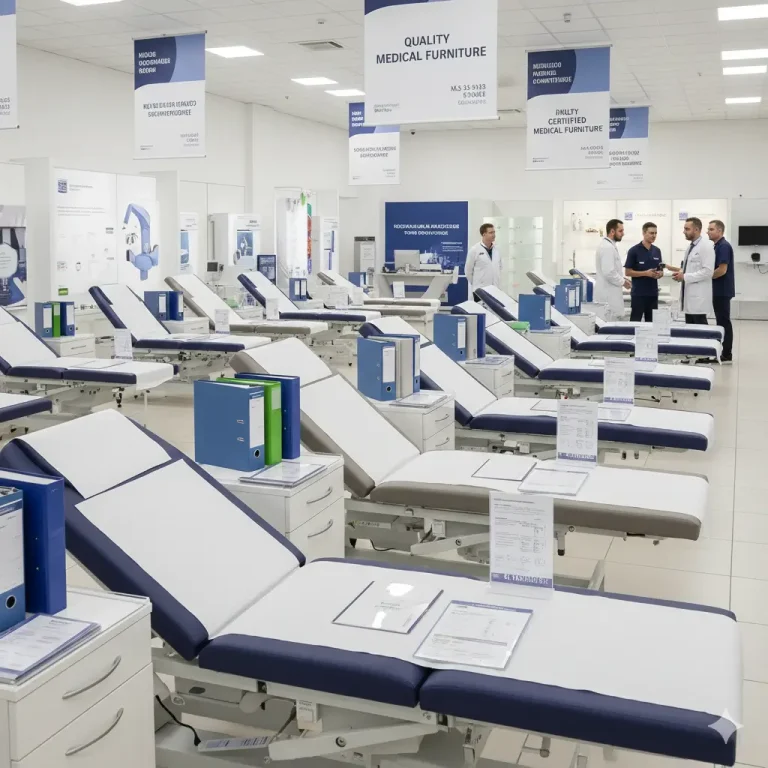
Reliable sourcing requires accredited suppliers, documented compliance and verified product construction suitable for regulated medical settings and organisational procurement readiness.
Certified providers ensure safe and compliant acquisition.
Furniture must align with hygiene, safety and facility requirements.
Certification confirms suitability for professional environments and links naturally to Sickbay Equipment & Supplies.
Ergonomic examination couches enhance posture alignment, reduce physical fatigue and support comfortable interaction for patients and practitioners.
Neutral positioning reduces discomfort and supports accurate examination.
Compatibility with aids improves transfer and handling safety.
Even weight distribution enhances comfort and reduces soreness.
Couch selection impacts audit readiness, safety documentation, maintenance planning and operational compliance frameworks across healthcare and workplace medical settings.
Routine checks sustain performance and safety assurance.
Safety logs strengthen transparency and compliance.
Equipment forms part of organisational safety evaluations.
Selecting the correct type of examination couch strengthens patient comfort, clinical accuracy, workplace readiness and caregiver safety across healthcare facilities, corporate medical rooms, home-care environments and safety-health operational settings.
Understanding adjustability, ergonomics, durability, workflow suitability and hygiene standards enables decision-makers to invest confidently in equipment that supports long-term care quality, efficiency and compliance within diverse medical and organisational contexts.
If you are evaluating equipment to improve patient support, workplace medical readiness, ergonomic handling or clinical professionalism, consider upgrading to a modern examination couch designed for safer transfers, improved positioning and enhanced treatment confidence.
Healthcare facilities, private practices, corporate clinics and safety-health teams can review specifications, durability expectations and comfort advantages by exploring the EC-1000 Examination Couch to determine whether it aligns with their operational needs, patient care goals and medical-facility improvement planning.
A medical examination couch provides a stable, supportive and hygienic platform for patient assessment, treatment evaluation and safe positioning, helping clinicians perform examinations accurately while maintaining patient comfort and professional care standards.
Selection depends on procedure type, patient mobility levels, room size, ergonomic needs, durability requirements and hygiene expectations, ensuring the couch supports safe handling, operational efficiency and long-term usage suitability.
Replacement is recommended when structural instability, upholstery wear, reduced comfort, safety concerns, increased patient load or updated compliance requirements affect examination quality and workplace readiness.
Workplace facilities benefit from durable, quick-access couches suitable for incident assessment and employee monitoring, while hospitals often require advanced adjustability and clinical-procedure compatibility.
Enhanced adjustability, ergonomic positioning and supportive construction contribute to smoother examinations, reduced handling strain, improved perception of care quality and more positive patient engagement outcomes.
